A Simple Weekly Meal Prep Plan for Beginners
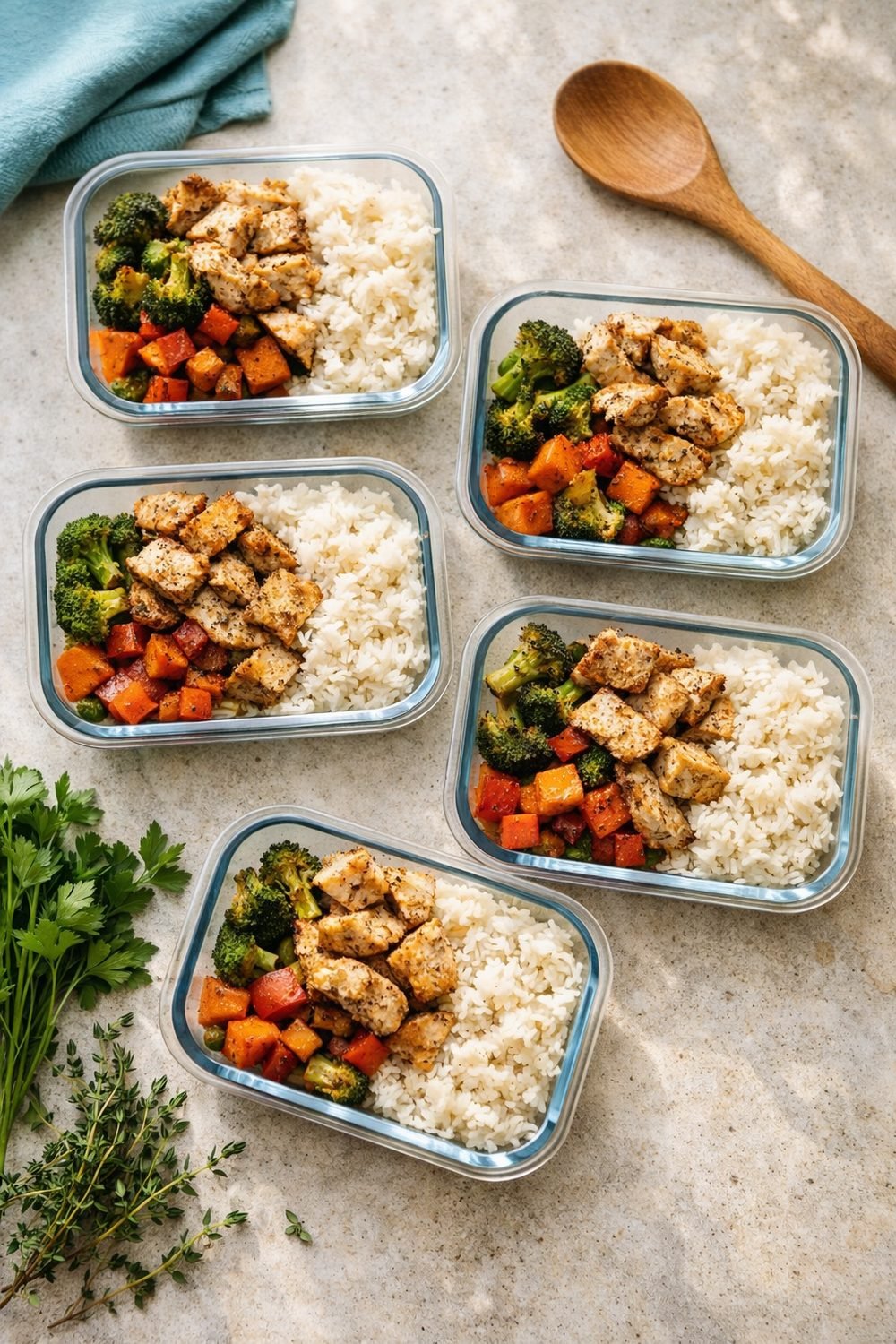
A weekly meal prep plan works best when it's small and repeatable. Many beginners learn this the hard way. A common first mistake is cooking five different recipes on one Sunday, filling every container in the house, and being sick of all of it by Wednesday. Half of it went in the bin.
A better approach is to start with two things you already like. That week actually worked. So this plan is built around that lesson: start with a few foods you enjoy, keep it simple, and let it grow from there.
You don't need fancy gear or a whole free day. You need a little planning, a few containers, and maybe two hours.
Short on time? Our top picks: Pyrex Glass Storage Containers, Rubbermaid Brilliance Containers, Instant Pot and Mason jars from Ball. See all picks
Pick Two or Three Meal Prep Ideas for Beginners
This is where most beginners overdo it. You don't need a new dinner every night. You need a couple of meals you'll be happy to eat more than once.
Look for meals that reheat well. Soups, chili, stir-fries, grain bowls and baked pasta all hold up for a few days. Things like crispy fries or dressed salads? Not so much. They go soggy fast, and soggy food is a quick way to lose interest.
Here's a starter week of meal prep ideas that I'd actually eat:
- Lunch: rice bowls with roasted vegetables and a protein like chicken, tofu or beans
- Dinner: a big pot of chili or lentil soup
- Breakfast (optional): overnight oats in jars
That's it. Three things, and breakfast is a bonus. If you only prep lunches for the first week, that still counts. Honestly, it's a smart way to start.
Write a Short Meal Prep Grocery List
Once you know your meals, start your meal prep grocery list with only what those meals need. Not "stuff that looks good." Just the plan.
It helps to check your fridge and cupboards first. Nine times out of ten I already have rice or a can of beans hiding in the back. Crossing those off saves money and stops the pile of duplicates.
Group your list by where things are in the store. Produce together, cans together, fridge items together. It sounds fussy, but it means less wandering and fewer "while I'm here" buys.
A few things worth keeping around because they show up in so many meals:
- A grain, like rice, quinoa or pasta
- Onions and garlic
- A couple of sturdy vegetables, like carrots, broccoli or peppers
- Canned beans or tomatoes
- One or two sauces or spice mixes you love
If you want a ready-made layout for this, the Meal Prep Planner and Grocery Pack below this post has a weekly plan page and a matching shopping list. A plain notebook works fine too, though. The point is to write it down, and an app like Mealime can do that for you too.
Choose a Prep Day for Your Weekly Meal Prep Plan
Sunday afternoon is the classic choice, and there's a reason. You've got the groceries, the week hasn't started, and you're not rushing. But it doesn't have to be Sunday.
If your weekends are busy, try a weeknight. Some people split it up: chop vegetables on Sunday, cook on Monday evening. That's perfectly fine. A plan you'll stick to beats a "perfect" plan you skip.
Block out about two hours the first time you follow a weekly meal prep plan. You'll probably get faster after a few weeks, once you know your recipes and your kitchen rhythm. Putting on a podcast can make it stop feeling like a chore.
One more tip: start with a clean kitchen and an empty dishwasher. Trust me. Prepping into a sink full of dishes is miserable.
If you'd like some starting ideas, you can grab my free 3 Meal Prep Idea Cards (one each for breakfast, lunch and dinner) when you join the email list.
Cook in Batches
Batch cooking is the heart of meal prep. Instead of making full, finished meals, cook a few "bases" you can mix and match. This is what keeps you from getting bored by Thursday.
Here's an order that works well, because it uses your time while things cook:
- Turn on the oven and get a tray of vegetables roasting.
- Start your grain on the stove or in a rice cooker such as an Instant Pot.
- While those cook, make your soup or chili in a big pot.
- Cook your protein, either in the oven next to the vegetables or in a pan.
- Mix up overnight oats last, since they take five minutes.
Now you've got rice, roasted veg and a protein you can combine different ways. Monday it's a bowl with soy sauce and sesame. Wednesday, the same base gets salsa and some cheese. Same food, different feel.
The big "prep 21 identical meals" photos online are often overrated. They look great, but most people I know don't want the exact same box for a week. Flexible bases are easier to live with.
A note on food safety
Let cooked food cool a bit before it goes in the fridge, but don't leave it sitting out for hours. How long things last depends on the food, so check trusted food safety guidance if you're not sure. When in doubt, I make smaller batches and freeze some.
Label and Store
This part takes two minutes and saves a lot of guessing. Use clear containers so you can see what's inside without opening every lid. Glass or plastic both work, whether that's something like Pyrex or Rubbermaid. Use what you have.
Write the date you made each thing on a piece of masking tape and stick it on the lid. All you need is a marker and some tape to label your containers. It sounds like a small thing, but "is this from Monday or last Monday?" is a real question in many kitchens.
Put the meals you'll eat first at the front of the fridge. Anything for later in the week can go in the freezer, then move to the fridge the night before. Soups and chili freeze really well. Cooked rice can too, if you cool it fast.
Keep sauces and dressings separate until you eat. That one habit keeps your food from going limp.
Review at the End of the Week
This is the step almost everyone skips, and it's the one that makes the next week easier. Before you shop again, take a quick look. What did you eat? What sat untouched?
Maybe the soup was a hit but you never touched the oats because you'd rather grab toast. Great. Drop the oats. Maybe you ran out of lunches by Thursday. Make a little more next time.
You can jot a few notes on your meal prep grocery list or the back of a planner page. Things like "double the chili" or "skip broccoli, nobody ate it." After three or four weeks, those notes turn into a routine that fits your actual life, not some ideal version of it.
Once you've got a couple of meals you trust, you can rotate in something new. The Healthy Dinner and Meal Prep Idea Cards below this post are handy for that, when you want a fresh idea without scrolling recipes for an hour.
Handy Tools and Apps for Meal Prep
You can start with what's already in your kitchen, but a few well-known tools make the routine easier once you settle in. Here are some that fit a beginner plan.
Pyrex Glass Storage Containers
Suits anyone who wants reusable containers they can see through and reheat in. Check that the lids are suitable for the microwave or freezer before you rely on them for either.
Rubbermaid Brilliance Containers
A good fit if you want lightweight plastic containers with lids for packing lunches. Look at the lid seal and whether the set stacks well in your fridge.
Instant Pot
Suits people who want to make soup, chili, beans or rice with little hands-on time. Check the size against how many people you cook for, and make sure you have space to store it.
Mason jars from Ball
Handy for overnight oats and for carrying sauces or dressings separately. Make sure you pick the right lid type and check whether the jars are freezer-safe before filling them.
Lodge Cast Iron Skillet
Works for cooking proteins and vegetables if you like a sturdy pan that lasts. Check the weight, since cast iron is heavy, and read the care instructions before buying.
Mealime
A meal planning app that suits beginners who want recipe ideas and a built-in grocery list. Check which features are free and which need a paid plan, and whether it covers any dietary needs you have.
Paprika Recipe Manager
Suits people who already have favorite recipes saved around the web and want them in one place with a grocery list. Check that it works on the devices you use, since apps may be bought separately per platform.
Check current plans and prices on each brand's own site before you decide.
FAQ
How long does meal prep take each week?
For a beginner plan with two or three meals, plan on about two hours. It often gets quicker once you know your recipes. Starting with just lunches can cut that time down even more.
Do I need special containers?
No. Any clean containers with lids will do to start. Clear ones are nice because you can see what's inside, but use what you already own before buying anything.
How long does prepped food last in the fridge?
It depends on the food, so check trusted food safety guidance for specifics. Many people eat fridge meals within a few days and freeze the rest. If something looks or smells off, toss it.
What if I get bored of eating the same thing?
Cook bases instead of finished meals, then change the sauce or toppings each day. A different seasoning can make the same rice and vegetables feel new. You can also swap one meal each week to keep things interesting.
Wrapping Up
A weekly meal prep plan doesn't have to be a big production. Pick two or three meals you like, shop from a short list, cook a few bases on a day that suits you, label everything, and check in at the end of the week. Small and repeatable wins.
If you want an easy place to start, grab the free 3 Meal Prep Idea Cards by joining the email list. Then, if you'd like more structure, take a look at the Meal Prep Planner and Grocery Pack and the Healthy Dinner and Meal Prep Idea Cards below this post. Pick one meal for this week and give it a try.
Printables and tools that can help
Meal Prep Planner and Grocery Pack
A printable weekly meal-prep planner with grocery lists and prep-day...
See detailsHealthy Dinner and Meal Prep Idea Cards
Printable idea cards for simple dinners and prep-ahead meals, with space for your own...
See details