Choosing the Best Hot Yoga Mat: What to Compare
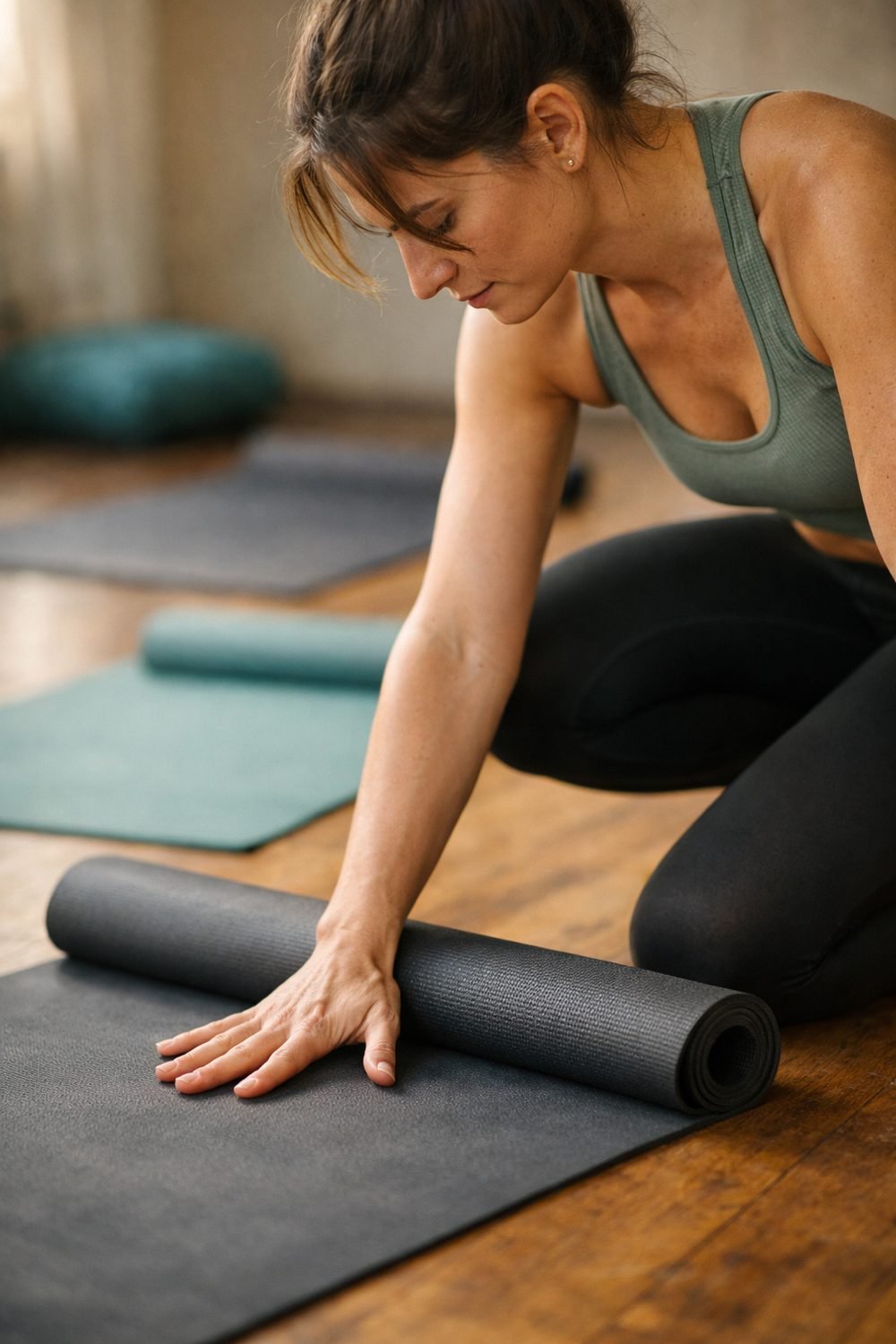
Finding the best hot yoga mat comes down to a few things you can compare before you buy: grip, thickness, weight, size and materials. This guide walks through each one so you can pick a mat that suits your floor, your practice and the way you carry it.
Many people buy their first yoga mat on a whim at a big-box store. It was bright purple, cheap, and so slippery that I spent most of my downward dogs sliding slowly toward the wall, the kind of problem a brand like Gaiam or Jade Yoga might help you avoid if you check the grip details. That mat taught me something useful, though. Mats really do differ, and the "right" one depends a lot on where you'll use it and what kind of practice you do, whether that's hot yoga or a quiet evening stretch. Even the best hot yoga mat won't suit everyone.
So before you pick one based on color (I get it, I've been there), here's my yoga mat buying guide to what I'd actually compare.
Short on time? Our top picks: Manduka PRO, Liforme, Gaiam and Jade Yoga. See all picks
Start With the Floor Under You
This sounds obvious, but most people skip it. The surface you'll practice on changes what kind of mat feels good.
On a hard floor like tile, wood or concrete, you'll probably notice your knees and hip bones more. A bit of extra cushion can help here. If you practice on a wood floor, kneeling poses on a thin mat can be painful, so a thicker mat may be worth considering.
Carpet is a different story. It already gives you softness, so a thick mat on top can feel squishy and wobbly. A thinner, firmer mat often works better on carpet because it gives you something stable to press into.
If you'll take your mat to a class, a park or a friend's place, think about the surface you'll use most often, not the one you'll use once a month.
Thickness: Soft Isn't Always Better
Here's where a lot of us go wrong. It's tempting to grab the thickest, cushiest mat on the shelf because it feels nice when you squeeze it in the store. But thick and comfy isn't the same as good for every practice.
Thicker mats cushion your joints more. They can be lovely for slower, floor-based styles, stretching, or if you have sensitive knees. A thin yoga mat, on the other hand, lets you feel the floor. That makes balancing poses feel steadier, since you're not sinking into foam while standing on one leg.
A quick way to think about it:
- Thinner mats tend to feel firmer and more stable, and they're often easier to roll up and carry.
- Medium mats are a middle ground that many people find works for most styles.
- Thicker mats give more padding but can feel less steady in standing poses.
My honest take? Unless you know you need lots of padding, a medium mat is a safe first pick. You can always fold a towel under your knees for kneeling poses. If you have joint pain or an injury, it's worth asking a physical therapist or your doctor what kind of support makes sense for you.
Why Grip Matters Most in the Best Hot Yoga Mat
A cheap, slippery mat can fail here. Grip is the thing you won't notice in the store but will notice the minute your hands start to sweat.
Look at how the seller describes the surface texture. Some mats have a slightly rough or patterned top. Others are smooth and feel almost sticky. Some only grip well once they've been used a few times, and some get slicker when they're wet.
Ask yourself how much you tend to sweat, and whether a towel like Yogitoes might help. If you do hot yoga or just run warm, check whether the product details say anything about how the mat handles moisture, since the best yoga mat for hot yoga needs to cope with sweat. A smooth mat that feels great dry might turn into a slip-and-slide halfway through class.
Also check the bottom of the mat. A mat that slides around on your floor is annoying in its own way. Some mats bunch up every time you step back into a lunge, and taping the corners down is a poor fix.
Reviews from other buyers can help here, since grip is hard to judge from photos. Just keep in mind that everyone's hands, floors and sweat levels are different.
By the way, if you're trying to build healthier habits around your workouts, you can grab our free 3 Meal Prep Idea Cards (breakfast, lunch and dinner) when you join the email list.
Weight and Size: The Carrying Question
If your mat lives in one spot at home, weight barely matters. If you're carrying it to class on a bus, it matters a lot.
Thicker and denser mats are usually heavier. That's fine at home, but after a few weeks of lugging one around, you might start skipping class just to avoid carrying it. That advice is only half a joke.
Length is the other thing to check. If you're tall, a standard-length mat might leave your feet or head hanging off the end in poses where you lie down. Look at the listed dimensions and compare them to your height. Width matters too, and a big yoga mat gives you extra room for wide-legged poses.
Some people end up with two mats: a lighter folding yoga mat for travel, such as the Manduka eKO Superlite, and a cushier one for home. That's not necessary for most of us, but it's an option if you find you're doing both a lot.
Materials and What to Check
Mats come in a bunch of materials, and each one feels different. Some are rubber-based, some are foam or TPE yoga mat styles, and some are made with natural fibers like cork or jute on the surface. They vary in grip, smell, weight and how they wear over time.
No one material is the best, because it really depends on you. What I'd do is read the product details carefully, especially if you have sensitivities. For example, if you have a latex allergy, check whether a mat contains natural rubber, and ask the seller if the listing isn't clear. If strong smells bother you, look for any notes about odor, since some new mats have a smell for a little while.
If you have allergies or skin sensitivities, a doctor or allergist can tell you what to avoid. That's a better source than a product page or a blog post like this one.
One more small thing: some materials are easier to clean than others. That leads right into the next part.
Read the Seller's Page (Yes, Really)
It's boring, I know. But the seller's page is where you'll find the details that actually matter day to day.
Here's what I look for before buying:
- The exact thickness and dimensions
- What the mat is made from
- Care and cleaning instructions
- Whether there's a return policy, in case it doesn't feel right
Care instructions are the one people skip most. Some mats shouldn't be soaked or left in sunlight. Using the wrong cleaner could wear down the surface faster. Product details and policies can change over time too, so check the current page right before you buy instead of relying on what a friend told you last year.
What I'd Skip
A few things feel overrated to me. Fancy printed designs are fun, but they don't change how the mat works. A yoga mat and bag set, or a handy yoga mat holder, is nice to have, not need to have. And "extra thick" mats get marketed to beginners a lot, even though many beginners would feel steadier on something thinner.
If you're putting together a whole home workout routine, the Busy Adults Fitness Planner and Checklist Bundle below this post can help you plan when you'll actually use that new mat. And if you're also looking at recovery tools, there's a Massage Gun Buyer's Guide and Comparison Sheets below as well.
Yoga Mats Worth a Look
Here are a few well-known mat brands to start your comparing with. None of them is the right answer for everyone, so match each one to your floor, your sweat level and your practice.
Manduka PRO
This one suits people who want a dense, long-lasting mat for regular practice at home or in a studio. Check the weight before buying, since dense mats can be a chore to carry around.
Liforme
A good fit if you like a mat with visual alignment guides and a generous size. Read the care instructions closely and check the dimensions against your height.
Gaiam
This brand suits beginners who want an easy-to-find, budget-friendly way to start. Look closely at the thickness and surface description, since options vary a lot within the range.
Jade Yoga
Often a pick for people who prefer a natural rubber mat with a grippy feel. If you have a latex allergy, this is not the mat for you, so check the material list first.
Lululemon Yoga Mats
Suits people who like to try a mat in person and compare a few thicknesses side by side. Check the return policy and how the surface handles sweat if you practice hot yoga.
Yogitoes Towels
A towel-style cover that suits people whose mat gets slippery when they sweat. It works as an add-on rather than a mat, so check how it stays in place on the mat you already own.
Manduka eKO Superlite
Suits travelers who want a thin, foldable-style mat that is easier to pack. Thin mats offer less cushion, so think about whether your knees will be happy on it.
Check current plans and prices on each brand's own site before you decide.
FAQ
How thick should my first yoga mat be?
For most people, a medium thickness is a good place to start. It gives some cushion without feeling wobbly in balance poses. If you need more padding for your knees, you can add a folded towel when needed.
Why does my new mat feel slippery?
Some mats have a coating or finish that makes them a bit slick at first. Check the seller's care instructions, since some suggest a certain way to clean or break in a new mat. If it stays slippery, it may just not suit your hands or practice.
Can I use a yoga mat on carpet?
Yes, lots of people do. A thinner, firmer mat usually works better on carpet, since the carpet already adds softness. A thick mat on carpet can feel unsteady.
How do I clean my yoga mat?
Follow the care instructions on the seller's page, since different materials need different care. Some do fine with a gentle wipe, while others can be damaged by soaking or harsh cleaners. When in doubt, ask the seller.
Quick Recap
Think about your floor first, then pick a thickness that fits it. Check grip, especially if you sweat. Make sure the size works for your height and the weight works for how you'll carry it. Read the materials and care details on the seller's page before you buy.
That's really it. You don't need a premium yoga mat, just one that fits how you practice.
If you'd like a little help with the rest of your routine, sign up for the email list to get the free 3 Meal Prep Idea Cards. Then take a look at the planner bundle and the massage gun guide below this post to see if either one fits what you're working on.
Printables and tools that can help
Massage Gun Buyer's Guide and Comparison Sheets
A printable guide and comparison sheets to note what matters to you before you look at any seller...
See detailsBusy Adults Fitness Planner and Checklist Bundle
A printable bundle with a 30-day goal page, weekly planner and setup checklists for starting a routine at...
See details