Meal Prep Containers: What to Compare
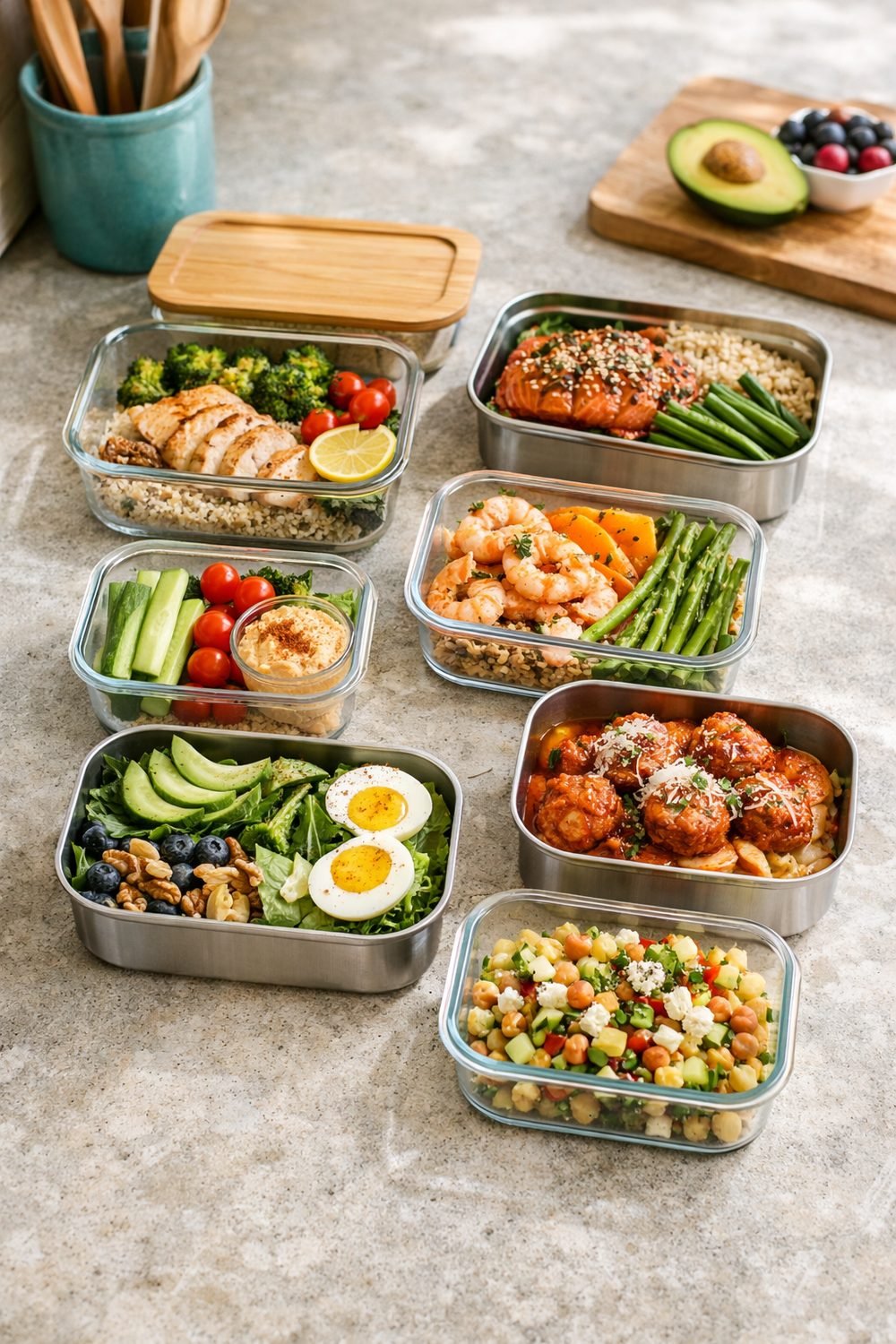
Whether you are choosing meal prep containers or water containers, the same basics apply: size, material and a lid that seals well. This guide walks through what to compare, from shape and fridge space to microwave and dishwasher notes, so you can pick containers that suit how you plan to use them.
Many people assume meal prep containers are all the same, but they differ in ways that matter. Picture spending a Sunday cooking five lunches, stacking them in the fridge, and finding soup leaked on the bottom shelf by Tuesday. A mess like that is a good reason to pay attention to what you are actually buying.
The right containers make meal prep easier. The wrong ones turn it into a cleanup job. You don't need anything fancy, but it helps to know what to compare before you pick a set. Here's what I look at now, based on the way I eat and the mistakes I've made along the way.
Short on time? Our top picks: Pyrex, Rubbermaid Brilliance, Glasslock and Snapware. See all picks
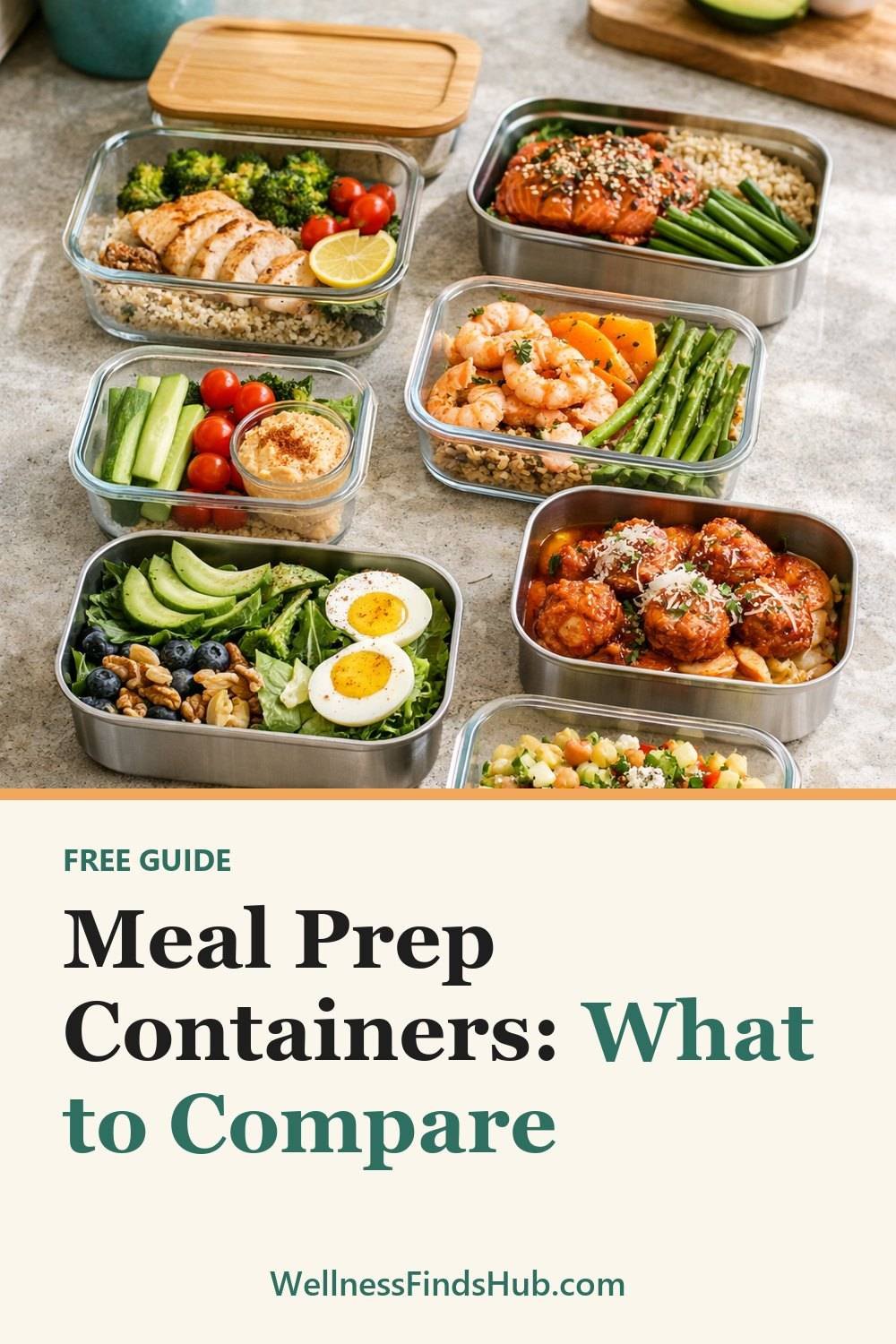
Start With Size and Shape of Meal Prep Containers
Before you look at materials or brands, think about what you'll put inside your meal prep containers. A big salad needs more room than a scoop of rice and chicken. Overnight oats fit best in something small and tall. Soup wants a deep container with a good lid.
A common mistake is buying a set where every container is the same size. It looked tidy on the shelf. In real life, my snacks rattled around in too much space and my dinners were squashed. Now I like a mix.
Some things worth checking:
- Capacity: The seller's page usually lists this in cups, ounces or milliliters. Compare it to a normal portion you already eat.
- Compartments: Divided containers, like those from Bentgo, keep sauces off your crackers. They're handy for lunches, but they're harder to use for leftovers like stew.
- Round or rectangle: Rectangles fit better side by side in a bag or fridge. Round ones can be easier to scrape clean.
If you're not sure what sizes you need, spend one week noticing what you pack. You'll quickly see which shapes you reach for and which ones you never touch.
Meal Prep Container Material: Glass, Plastic or Stainless Steel
Each material has trade-offs. None of them is perfect, and honestly, a lot of people end up with a mix.
Glass
Glass, from brands like Pyrex, is a common choice for meal prep containers at home. It doesn't hold onto smells the way some plastic does, and I can see what's inside without opening it. The downside is weight. Carrying three glass containers in a work bag gets old fast. It can also break if you drop it on a tile floor, which I have done exactly once.
Plastic
Plastic is light and usually cheaper. It's great for packing lunches you carry around all day. Over time, though, some plastic can stain, especially with tomato sauce or curry. If you have questions about what a plastic is made of or whether it suits hot food, check the seller's page for their material details rather than guessing.
Stainless steel
Steel is tough and light, and it doesn't stain. You can't see inside, and you generally can't put it in the microwave. Steel, such as Lunchbots, suits cold lunches, snacks or anyone who's rough on their stuff. For reheating leftovers at the office, it's not the best match.
Why the Lid Seal Matters for Meal Prep and Water Containers
This is the part people often skip, and it's how you end up with soup leaking onto the shelf. A lid that snaps on isn't always a lid that keeps liquid in.
Look at how the seller describes the lid. Some say "leak-proof" or "leak-resistant." Those can mean different things, so read the details. Some lids have a silicone ring inside and locking tabs on all four sides. Others just press on.
A simple rule helps. If it's dry food, almost any lid works. If it's soup, dressing or anything saucy, I want a lid that's clearly described as built for liquids. And I still test it at home by filling it with water and tipping it over the sink before I trust it in my bag.
One more thing: check if the lid can go in the same places the container can. Plenty of glass containers are fine in the oven, but their plastic lids are not.
By the way, if you'd like some ideas for what to actually put in these containers, you can grab my free 3 Meal Prep Idea Cards for breakfast, lunch and dinner when you join the email list.
Read the Microwave and Dishwasher Notes
This sounds boring, but it saves you from melted lids and cloudy plastic. Every set should come with care instructions. Read them before the first wash, not after.
Here's what I look for:
- Is the container safe for the microwave? Is the lid?
- Should the lid be removed or cracked open when heating?
- Can it go in the dishwasher, and is it top rack only?
- Is it freezer-safe, and can it go straight from freezer to microwave?
That last one catches people. Some glass doesn't like sudden temperature changes. If the instructions say to let it sit out for a bit first, I listen. A cracked container in the microwave is not how anyone wants to start their lunch break.
If something isn't clear on the label or listing, ask the seller directly. That's better than learning the hard way.
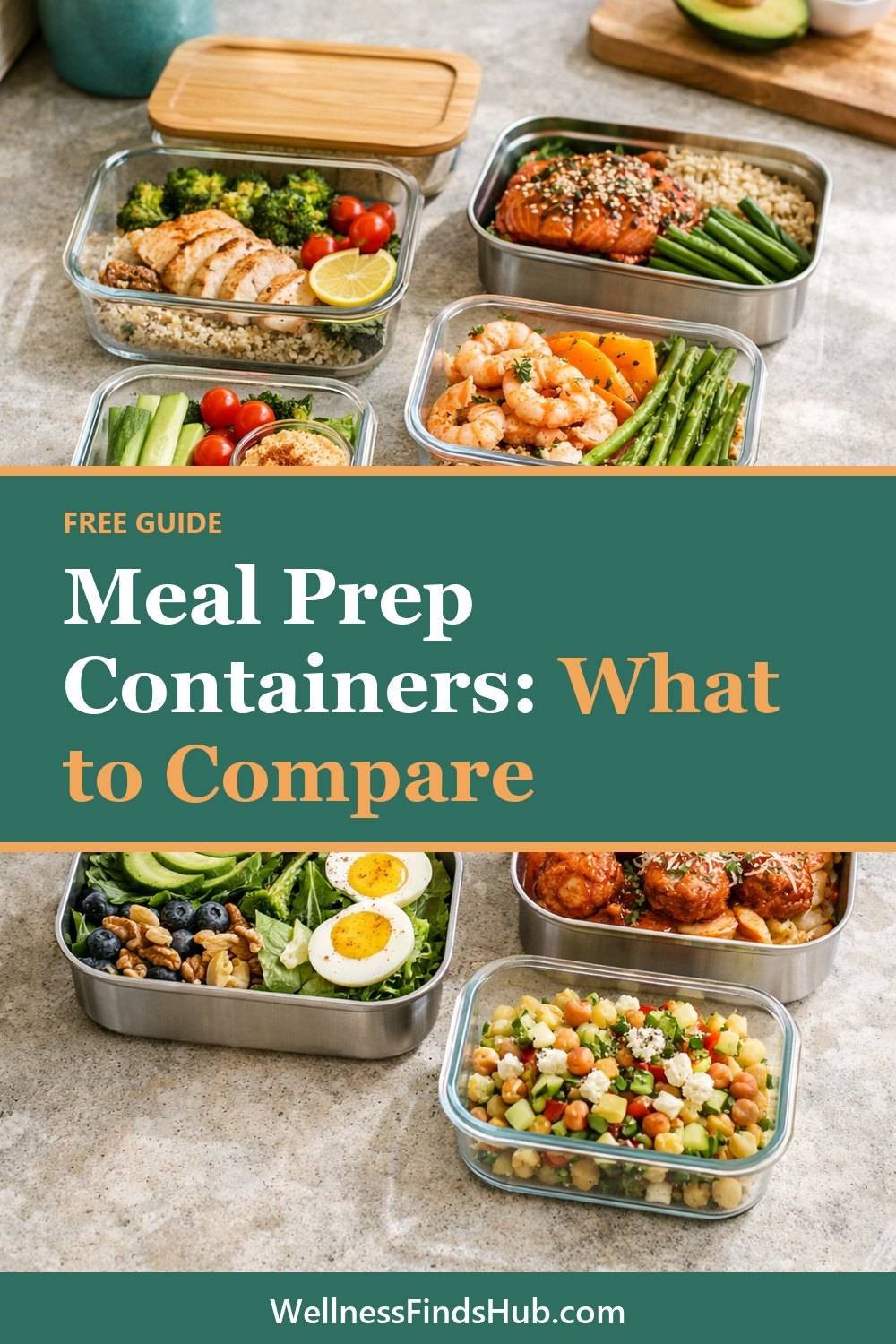
Stackable Meal Prep Containers and Fridge Space
If you have a small fridge, space matters even more. If you do too, this section is for you.
Stackable sets save a surprising amount of room. When containers are the same footprint, you can build neat little towers instead of a messy pile. Some sets also nest inside each other when empty, which helps a lot in a crowded cupboard.
What I'd skip: sets with lots of odd sizes that don't stack or nest. They look like a good deal because you get "20 pieces," but half of those pieces are lids, and the containers end up scattered everywhere. It's better to have ten pieces that actually fit together.
It's also worth checking if the lids are the same across sizes. Fewer lid types means less time digging through a drawer looking for the one that fits.
Think About How You'll Really Use Them
Here's something nobody told me early on: the best set of meal prep containers depends on your week, not on the reviews. Think about a normal Tuesday.
Do you eat at home or carry food to work? Do you reheat, or eat cold? Do you prep five days at once or two days at a time? Are you cooking for one person or a family?
If you prep in bigger batches, a planner can help you figure out portions before you shop for containers. The Meal Prep Planner and Grocery Pack below this post is what I put together for that, though a notebook works too if you'd rather keep it simple.
Honestly, I think "perfect matching sets" are a bit overrated. A few good glass pieces for home, a couple of light ones for travel, and one truly leak-proof soup container will cover most people.
Check the Seller's Page Before You Decide
Once you've narrowed it down, go back and read the full listing slowly. Photos can make containers look bigger or smaller than they are. Sizes, materials and care notes are usually written further down the page.
Look for the exact capacity of each piece, the materials for both container and lid, the heat and freezer guidance, and any notes on the warranty or returns. If any of that is missing, I'd be a little careful. A good seller should be happy to answer questions.
Meal Prep Container Picks Worth a Look
These are well-known brands that make containers for meal prep. Each suits a different kind of week, so match them to how you actually eat.
Pyrex
A familiar name in glass food storage, suited to people who mostly reheat at home or at a desk. Glass is heavy, so check the weight of a full set if you carry lunch in a bag.
Rubbermaid Brilliance
A plastic line that suits people who want lighter containers for carrying lunches. Check the care notes for microwave and dishwasher guidance on both the container and the lid.
Glasslock
Another glass option that suits home cooks who batch prep and want to see what's inside. Look at the lid material and what heat guidance it comes with, since lids often differ from the glass.
Snapware
Offers glass and plastic sets with locking lids, which may suit saucy meals and soups. Read how the seller describes the lid seal and test it with water before packing it in a bag.
OXO Good Grips
Known for storage containers with a focus on easy handling and stacking, which can help in a small fridge. Check whether the lids are shared across sizes so you aren't hunting through a drawer.
Bentgo
Makes compartment lunch boxes that suit people who like to keep foods separate, such as crackers away from dips. Divided boxes are harder to use for stew or soup, so think about what you usually pack.
Stasher
Reusable silicone bags that suit snacks, marinated items and cold sides when you want something that packs flat. They aren't a full replacement for rigid containers, so check the care guidance for heating and freezing.
Lunchbots
A stainless steel option suited to cold lunches and snacks, especially if you are tough on your gear. Steel generally can't go in the microwave, so it won't suit office reheating.
Check current plans and prices on each brand's own site before you buy.
FAQ
Are glass containers better than plastic for meal prep?
Not always. Glass is great for reheating at home and doesn't stain easily, but it's heavier and can break. Plastic is lighter for carrying, so it really depends on how you'll use them.
How many containers do I actually need?
Count how many meals and snacks you plan to prep in one go, then add a couple extra for leftovers. For many people prepping lunches for a work week, that's somewhere in the range of eight to twelve, but your own count matters more than any rule.
Can I put any container in the freezer?
No. Some materials aren't meant for freezing, and some lids crack in the cold. Check the care instructions on the seller's page before you freeze anything.
How do I stop food from leaking in my bag?
Use a container with a lid that's described as leak-proof for liquids, and test it at home with water first. Packing saucy food upright helps too.
Quick Summary
Pick meal prep containers in sizes that match your real meals. Choose a material that suits where you eat. Pay close attention to the lid, read the care notes, and go for sets that stack. Then double-check everything on the seller's page.
If you're ready to start, grab the free 3 Meal Prep Idea Cards by joining the email list so you have a few easy meals to fill your new containers. After that, take a look at the Meal Prep Planner and Grocery Pack below this post if you'd like help planning your week.
Printables and tools that can help
Meal Prep Planner and Grocery Pack
A printable weekly meal-prep planner with grocery lists and prep-day...
See detailsMassage Gun Buyer's Guide and Comparison Sheets
A printable guide and comparison sheets to note what matters to you before you look at any seller...
See details