Walking Routine Ideas for Beginners and Home Treadmill Users
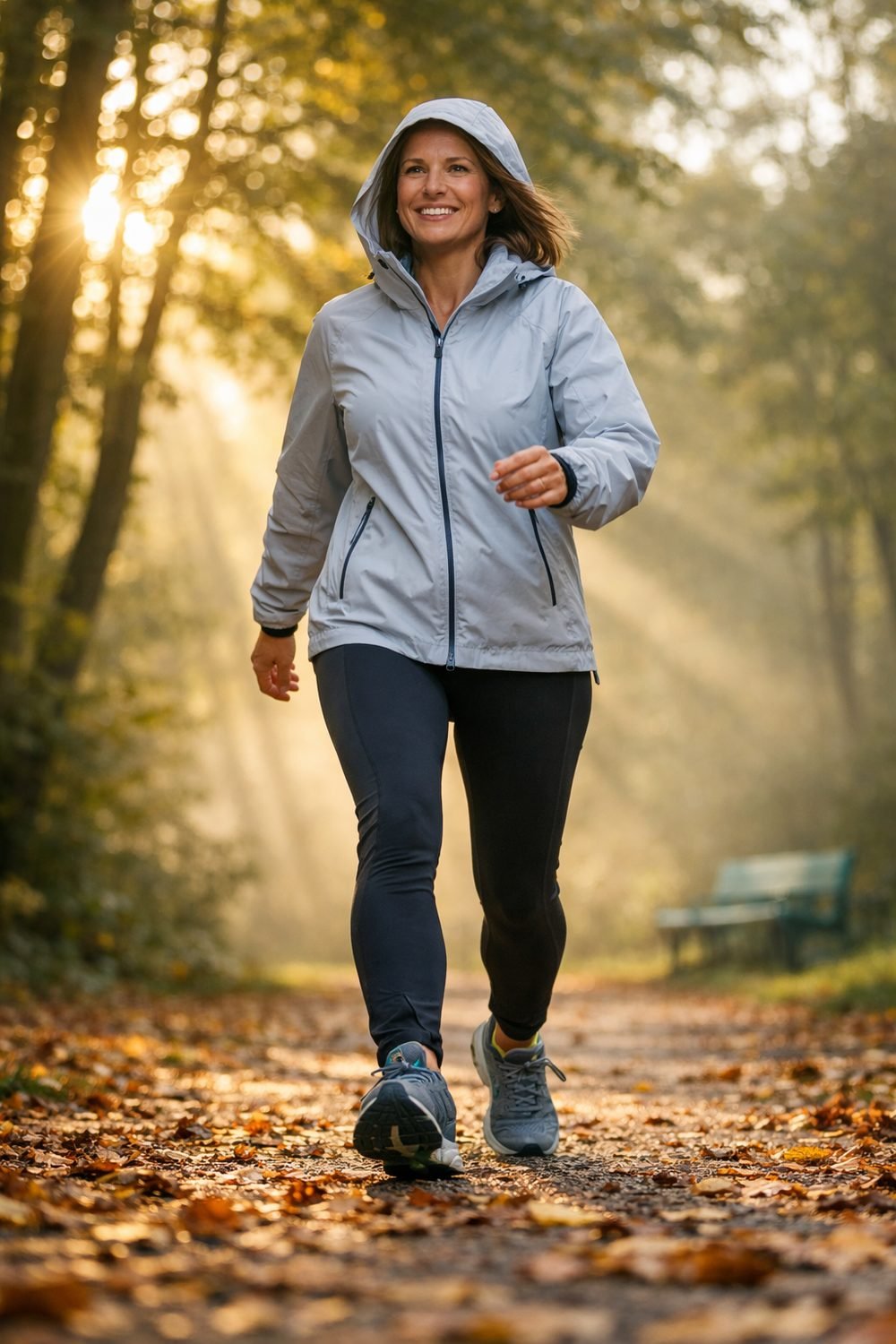
Before you go looking for the best home treadmill for walking, it helps to settle on a routine you can actually stick with. These walking routine ideas for beginners work outdoors or indoors, so any equipment you add later supports a habit you already have.
Walking is one of the easiest habits to start, and a simple walking routine for beginners is all you need. You don't need a gym, a plan, or special gear like a mini walking pad to begin. You just need a door and a few spare minutes.
It's easy to make a new walking routine way too complicated at the start. A common mistake is buying a fancy water bottle, mapping a long route, and quitting within days because it feels like a chore. What actually worked was much smaller and a lot more relaxed. Here are the ideas that helped me keep going, plus a few I picked up along the way.
Short on time? Our top picks: Brooks Walking Shoes, New Balance Walking Shoes, HOKA Walking Shoes and WalkingPad. See all picks
1. Start your walking routine for beginners with a short loop
Ten or fifteen minutes is plenty at first. Honestly, it might feel almost too easy, and that's the point. You want your first walks to leave you thinking "I could do that again tomorrow," not "I need a nap."
A loop works better than an out-and-back route for one simple reason. You can't talk yourself into turning around early. Once you're halfway, the only way home is to finish, and a playlist on Spotify can help the loop go by faster.
Practical tip: Walk around your block or a nearby street a couple of times and time it. Now you have a "10-minute loop" you can use any day without thinking.
2. Pick a regular time
The walks I skip are almost always the ones I meant to fit in "sometime today." Without a set time, the day fills up and suddenly it's dark and I'm on the couch.
Pick a spot in your day that already happens. After breakfast, after dinner, before work, or during a lunch break all work well. Some people love an early walk because the streets are quiet. An after-dinner walk is a good option if mornings don't suit you. It helps me feel less sluggish in the evening.
Practical tip: Tie your walk to something you already do. "After I put the dishes away, I put my shoes on." It's easier to remember when it follows a habit you never skip.
3. Give yourself something to look forward to
Walking for the sake of walking gets boring fast. Adding a small goal you actually enjoy makes a big difference.
That could be a podcast you only listen to while walking, a new route through a different neighborhood, or a coffee shop at the halfway point. Walking with a friend is my favorite. The time flies, and you're less likely to cancel on someone else than on yourself.
Practical tip: Save one episode of a show or podcast just for walks. If you want to know what happens next, you'll have to get moving.
4. Wear comfortable shoes
You don't need expensive shoes, but you do need ones that fit well. Walking in old sneakers can lead to a blister that sidelines you for a week, so replace worn shoes.
Look for shoes with some cushion that don't pinch your toes or slip at the heel, such as styles from Brooks or New Balance. Think about where you'll walk, too. Smooth sidewalks are forgiving, while gravel paths or trails might call for something with more grip. If you have foot pain or a health condition, it's worth asking a doctor or a shoe fitter for advice.
Practical tip: Try on shoes later in the day, when your feet are a little more swollen. That's closer to how they'll feel partway through a walk.
5. Track what you did
You don't need an app or a smartwatch for this. A simple chart on paper works just fine. Keep a calendar on the fridge and put a check mark on each day you walk.
Seeing a row of check marks is surprisingly motivating. It's also helpful on the days you feel like you're "never" walking. Usually the chart tells a different story.
If you like having something ready to fill in, the Hydration and Healthy Habits Tracker below this post has space for walks along with water and other daily habits. A plain notebook works too, though. Use whatever you'll actually look at.
Practical tip: Write down how you felt, not just the minutes. "Felt stiff at the start, fine by the end" tells you more over time than a number does.
Quick side note: if you're working on healthy habits in general, you can grab my free 3 Meal Prep Idea Cards for breakfast, lunch and dinner by joining the email list.
6. Build up slowly
This is the one I wish someone had told me loudly. Add time only when your current walk feels comfortable. There's no prize for doubling your distance in week two.
A gentle way to do it is adding five minutes once your current walk feels easy for a week or so. Some weeks you might not add anything, and that's okay. Listen to your body more than any plan you read online, including this one.
Practical tip: If you feel sore or worn out the next day, stay at the same length for a while longer. Steady beats fast.
7. Have a backup plan for bad days
Rain, heat, a long day at work, low energy. Something will always get in the way, which is when a portable walking pad indoors can help. Having a smaller backup walk ready means you don't lose the habit completely.
A good backup is a five-minute walk around the house or apartment building, though a fold up walking pad would work too. It sounds silly, but it keeps the streak alive. On really low-energy days, I'll do some gentle movement indoors instead.
That's where something like the Low-Energy Workout Cards and Tracker below this post can come in handy. You pull a card, do something easy, and still feel like you showed up.
Practical tip: Decide on your "minimum walk" now, before you need it. When the day goes sideways, you won't have to think.
8. Change your pace now and then
Once regular walks feel easy, you can make them a bit more interesting without making them longer. Try walking a little faster for a minute or two, then slowing down again.
Landmarks can work well for this. Faster until the next lamp post, then easy until the corner. It breaks up the walk and makes the time go by quicker. Skip this one if you're just starting out, though. Get the habit settled first.
Practical tip: Keep the faster parts at a pace where you can still talk, just not sing. If you're gasping, slow down.
9. Don't overthink extras, like the best home treadmill for walking
Here's an honest opinion: a lot of walking gear is overrated for beginners, and a cheap walking pad is something to consider only if you want to walk indoors. You don't need weighted vests, special socks with a big price tag, or a fitness tracker to get started.
What does help is a water bottle on warm days, like a Nalgene bottle, a light jacket you can tie around your waist, and maybe a small bag for your keys and phone. Bring water if you'll be out for a while or it's hot. Beyond that, keep it simple until you know what you actually want, whether that's an office walking pad or just good shoes.
Practical tip: Keep your shoes and a jacket by the door. The fewer steps between you and leaving, the more often you'll go.
Helpful walking picks to consider
You really don't need much to start walking, but a few tools can make the habit easier to enjoy. Here are some well-known options, with what to think about before choosing.
Brooks Walking Shoes
Brooks makes cushioned running and walking shoes that suit people who want a comfortable everyday sneaker. Check the fit in the toe box and heel, and try them on later in the day.
New Balance Walking Shoes
New Balance is known for offering shoes in a range of widths, which can help if standard sizes feel tight. Check the width options and the grip if you plan to walk on gravel or trails.
HOKA Walking Shoes
HOKA is a popular brand for people who like a thick, cushioned feel underfoot. Check how the shoe feels on turns and uneven ground, since some people find a tall sole less steady.
WalkingPad
WalkingPad makes compact, foldable treadmills meant for walking at home. It suits people with rainy climates or small spaces. Measure your storage space and check the weight limit and noise level before buying.
Fitbit
Fitbit trackers suit people who like seeing steps and active minutes without much fuss. Check whether you want a basic band or a full watch, and whether any features need a subscription.
Apple Watch
Apple Watch suits iPhone owners who want step tracking and reminders on their wrist. Check that it works with your phone model and how often you're happy to charge it.
Spotify
Spotify gives you music and podcasts to save for walks, which can make the time pass faster. Check whether the free version is enough for you or if you'd want to pay for extras.
Nalgene Water Bottles
Nalgene makes sturdy reusable bottles that suit walkers who want something simple and durable. Check the size and weight, and make sure the lid seals well in a bag.
Check current plans and prices on each brand's own site before you decide.
FAQ
How long should a beginner walk each day?
Ten to fifteen minutes is a good place to start for most people. You can add more time slowly as it feels easier. If you have a health condition, check with your doctor about what's right for you.
Is it okay to skip days?
Yes, completely. Rest days are normal, and missing a day doesn't undo anything. Just try to get back out the next day instead of waiting for the "perfect" time to restart.
Should I walk before or after eating?
Either can work, so pick what fits your schedule and feels good. Many people enjoy a gentle walk after a meal. If you walk right after eating and feel uncomfortable, try waiting a little longer.
Do I need a step counter or a walking pad?
No. A step counter can be fun, but plenty of people do fine just tracking minutes on paper. Start with what you have and add tools later, such as the best walking pads for small spaces, if you want them.
Your next step
Pick one idea from this list and try it this week. Just one. Maybe it's a ten-minute loop after dinner, or a check mark chart on the fridge. If you'd like a little help with the rest of your healthy habits, grab the free 3 Meal Prep Idea Cards by joining the email list. Then take a look at the Low-Energy Workout Cards and Tracker and the Hydration and Healthy Habits Tracker below this post if they sound useful to you. Now go put your shoes by the door.
Printables and tools that can help
Low-Energy Workout Cards and Tracker
Printable workout idea cards and a tracker for days when energy is low. General ideas only, not medical...
See detailsHydration and Healthy Habits Tracker
A printable tracker for daily habits you choose, such as water, steps or bedtime. General habit tracking, not...
See details